
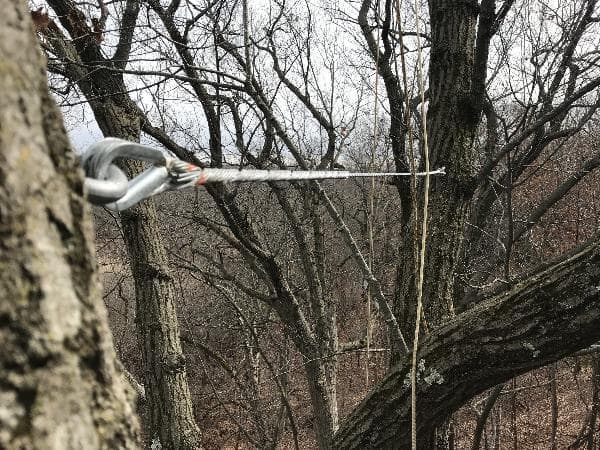
Cabling & Bracing
Supplemental support systems for structurally compromised trees worth preserving — installed to ISA standards by TG-TreeCare.
Why It Works
Support at exactly the right point
Cabling and bracing isn't a band-aid — it's a precision intervention. When done correctly by a certified arborist, it extends the safe life of trees that would otherwise need to come down.
Precision Support Systems
Cabling and bracing is installed to ISA standards — providing the right amount of support at exactly the right points without causing new stress to the tree.
Preserve Trees Worth Keeping
Some trees have history, character, or landscape value that makes removal the wrong call. Cabling lets them stand safely for years more.
Reduce Storm Damage Risk
Trees with co-dominant stems or heavy lateral branches are vulnerable in Ohio's storms. A properly installed cable system reduces that risk significantly.
ISA Standard Installation
This isn't wire around a branch. Hardware selection, placement, and tension are all calculated to ISA specifications by a certified arborist.
Is Your Tree a Candidate?
Structural defects that cabling addresses
Not every tree needs cabling — and not every structurally defective tree can be saved by it. Tyler assesses the full picture before recommending a system. These are the conditions that most commonly indicate a tree is a good candidate.
Co-Dominant Stems
Two or more main trunks growing from one base — especially with included bark at the union — are among the highest-risk structural defects in trees. The union can fail suddenly under load.
Heavy Horizontal Limbs
Long, heavy branches extending far from the trunk create significant leverage force in wind and ice storms. Cabling reduces the load on the attachment point.
Previous Split or Crack
A union that has already partially split won't heal on its own — it will continue to fail under load. Bracing can stabilize a split that hasn't yet fully separated.
Storm-Damaged but Healthy
A tree that survived a storm with structural damage but is otherwise healthy may be an excellent candidate for support rather than removal.
Mature Tree Over Structures
Large, mature trees positioned over homes, driveways, or outdoor living areas warrant extra attention. The cost of cabling is a fraction of the cost of damage if a limb fails.
V-Shaped Branch Unions
U-shaped unions are strong. V-shaped unions with bark included between the stems are weak — the bark prevents the wood from fusing properly, creating a built-in failure point.
The Hardware
Not all cabling systems are the same
The right system depends on the tree species, defect type, load requirements, and long-term goals. TG-TreeCare selects hardware based on ISA guidelines — not what's cheapest or easiest to install.
Steel Cable Systems
High-strength steel cable installed in the upper third of the tree between co-dominant stems or heavy limbs. Limits movement and prevents catastrophic splitting under load. The most common cabling method for large trees.
EHS Cable (Extra High Strength)
Used for larger trees or higher-risk situations where standard cable tension isn't sufficient. Same installation method, higher load rating.
Threaded Rod Bracing
Used for cracks, splits, or unions that need rigid stabilization rather than flexible support. A threaded rod is installed through the stem to physically hold the union together.
Dynamic (Cobra) Systems
A flexible, low-strength cable system that allows more natural movement than steel. Used for smaller trees or situations where rigid restriction would do more harm than good.
Our Process
From assessment to installation
Free On-Site Assessment
Tyler evaluates the tree's structure, identifies defect points, and determines whether cabling is appropriate and what system is right.
Written Quote & Hardware Plan
You get a clear quote with the specific hardware, placement, and rationale. No vague estimates — you know exactly what's going in and why.
ISA-Standard Installation
Our crew installs the system to ISA specifications. We'll walk you through what was installed and set a recommended inspection schedule.
Common Questions
Cabling & Bracing FAQs
What trees typically need cabling or bracing?
Trees with co-dominant stems, heavy horizontal limbs, V-shaped unions, or previous storm damage. Tyler assesses whether support is appropriate during the estimate.
Will cabling save my tree indefinitely?
No — trees still have natural life cycles. But a properly installed system can add years of safe life to a tree that would otherwise need removal.
Does the hardware hurt the tree?
When installed to ISA standards, hardware causes minimal damage. The tree naturally compartmentalizes around attachment points over time.
How long does installation take?
Most residential jobs are completed in a half to full day depending on the number of cables and site access.
Does cabling need to be inspected or replaced?
Yes. Cable systems should be inspected every 1–2 years as the tree grows. Hardware may need adjustment or replacement over time — Tyler can advise on a maintenance schedule.
Is cabling cheaper than removal?
Almost always. And for a tree with real value to your property or landscape, it's worth the investment. Tyler will give you an honest comparison during the estimate.
Have a tree worth saving?
TG-TreeCare serves Kent, Stow, Cuyahoga Falls, Hudson, and surrounding communities. Talk directly with Tyler for an honest assessment.
What Customers Say
Real reviews from Kent-area homeowners.
Rated on Google · View all →
“If you want to hire the best, at a price that is competitive with the lower-quality services, there is really only one good option. Tyler has spent decades climbing, roping, and felling the most challenging trees. He and his crew can handle any job and they are small enough to listen and work with the customer needs. I could not be happier with the price and the quality of work.”
Steve Ash
1 year ago
“What a great experience. Tyler came to the house, walked me through what he would do. Suggestions on particular trees, and their proper time of when they should be pruned. The team showed up and were so polite and did a fantastic job and cleaned up after themselves!”
Carla Ehrhardt
9 months ago
“What a great team. The guy that runs this always let us know when he was coming. Great communication. The guys worked like a team, communicating with each other — it was fun to watch the experience they had. We had other tree guys before but this is definitely the best that we've had. I definitely would use them again.”
Patty Smith
7 months ago
“Tyler was a professional from the first minute of meeting him. It's obvious he cares very much for trees and nature in general. He and his team were wonderful. HUGE tree removed and branches from other trees removed. They thoroughly cleaned up the work areas and made sure we were very happy with their work. Two neighbors were impressed enough that they are having work done by Tyler as well.”
Lynn Beaujon
1 year ago
“Truly fantastic service. Prompt. Personable. Knowledgeable. Easy-going. Called about a massive downed limb over phone lines. They came out and looked at it within two hours. Tyler and his crew were there at 8 am the next morning to remove it safely and quickly. Cleaned up afterwards with diligence and care. Done and gone by 10 am.”
Saul Flanner
10 months ago
“Throughout my experience with TG-TreeCare, I have been consistently impressed by their exceptional professionalism, outstanding communication and unwavering commitment to customer satisfaction. The removal process was executed with meticulous care, resulting in a flawless outcome. The subsequent cleanup and aftercare were performed to perfection, leaving my property in pristine condition.”
Virginia Serra
6 months ago
All reviews sourced from Google Business Profile · TG-TreeCare LLC, Kent, Ohio