
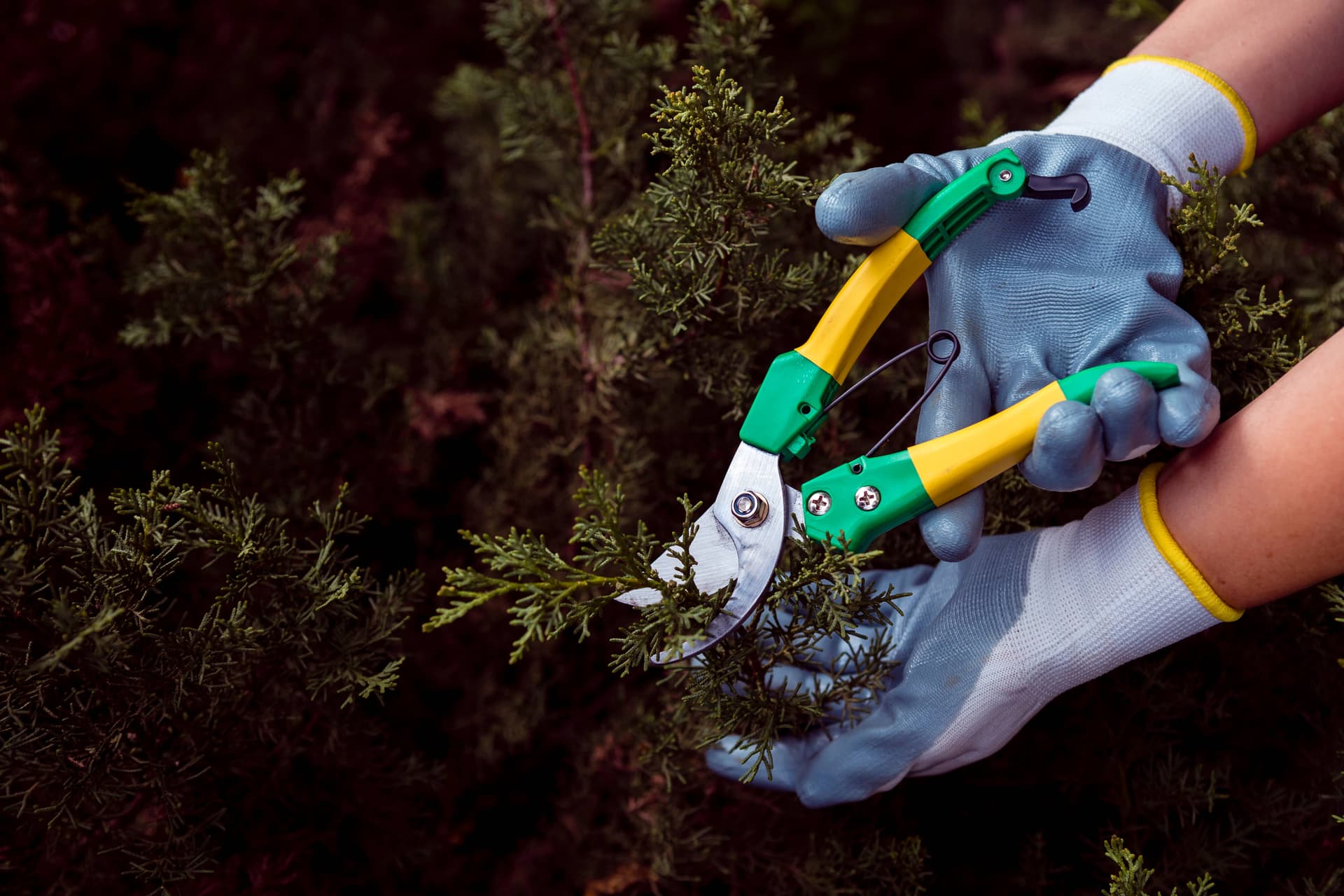
Trimming & Pruning
Expert pruning and structural trimming that keeps your trees healthy, safe, and looking their best — year after year.
Why It Matters
Trimming the right way makes all the difference
A bad pruning job is worse than no pruning at all. ISA-certified arborists understand tree biology — where to cut, how much to remove, and when to do it. That's the difference between a tree that thrives and one that declines.
Promotes Long-Term Health
Proper pruning removes dead wood, improves airflow through the canopy, and reduces disease pressure — extending the life of your trees significantly.
Improves Curb Appeal
A well-shaped tree adds beauty and real estate value to your property. Tyler trims with the tree's natural form in mind — not just a quick haircut.
Structural Pruning Done Right
Young trees pruned correctly grow stronger. We establish a solid branch structure early so your trees don't become hazards 10 years from now.
Clearance & Safety Cuts
Branches too close to your roof, power lines, or windows? We handle clearance pruning safely and with clean final cuts that heal properly.
Types of Pruning
Not all pruning is the same
The right pruning method depends on the tree species, age, current condition, and what you're trying to achieve. Tyler assesses all of this before making a single cut.
Crown Cleaning
Removal of dead, dying, diseased, or weakly attached branches from within the crown. The most fundamental type of pruning — every tree benefits from it.
Crown Thinning
Selective removal of branches to increase light penetration and air movement through the canopy. Reduces wind resistance and helps the tree dry out faster after rain, lowering disease risk.
Crown Raising
Removing the lower branches to provide clearance for pedestrians, vehicles, buildings, and sight lines. Done gradually over several seasons to avoid stressing the tree.
Structural / Subordination Pruning
Reducing or removing branches that compete with the tree's main leader or central structure. Critical for young trees — building the right architecture early saves major problems later.
Vista Pruning
Selective pruning to improve a specific view through or around a tree. Done carefully to maintain the tree's health while opening up sight lines.
Deadwooding
Targeted removal of dead branches only — preserving all live growth. A good first step for trees that are generally healthy but have accumulated dead wood over time.
Straight Talk
Common pruning myths — debunked
"Topping a tree makes it safer."
Topping is one of the most harmful things you can do to a tree. It triggers rapid regrowth of weak, fast-growing shoots, creates large wounds that don't heal, and dramatically shortens the tree's life. TG-TreeCare does not top trees.
"You should remove as many branches as possible at once."
A tree should never lose more than 25% of its live canopy in a single pruning. Removing too much at once stresses the tree and triggers defensive growth responses that weaken structure.
"You should paint or seal pruning cuts."
Modern arboriculture has shown that wound sealants actually impede the tree's natural compartmentalization process. Clean cuts heal better on their own.
"Any time of year is fine for trimming."
Most species have an optimal pruning window. Late winter through early spring (dormant season) is typically best — the tree is less stressed and disease vectors like beetles are less active.
Our Process
What to expect
Free On-Site Estimate
Tyler visits your property, evaluates each tree, and walks you through what he recommends and why. No obligation.
Targeted, Precise Cuts
We make deliberate cuts — removing dead, crossing, or hazardous branches while respecting the tree's natural form and biology.
Full Cleanup
Every branch and brush pile is removed before we wrap up. Your yard is left clean — no piles left at the curb.
Common Questions
Trimming & Pruning FAQs
When is the best time to trim trees in Ohio?
Late winter through early spring (dormant season) is ideal for most species. Dead or hazardous branches should be removed any time. Tyler will advise on timing specific to your trees.
What's the difference between trimming and pruning?
Trimming is aesthetic — shaping the canopy. Pruning is targeted — removing dead, diseased, or structurally weak branches for the tree's health. TG-TreeCare does both.
How often should trees be pruned?
Most mature trees benefit from light pruning every 3–5 years. Young trees may need attention every 1–2 years while their structure is being established.
Will trimming hurt my tree?
Done correctly, it benefits the tree. Improper pruning by untrained crews causes long-term structural damage — which is exactly why ISA certification matters.
Can you trim trees near power lines?
For service drops to your house, yes. High-voltage utility line clearance is handled by the utility company. Tyler will assess during the estimate.
Do you clean up after trimming?
Always. Every branch, brush pile, and chip is removed. Cleanup is included in the price — no surprise hauling fees.
Time to shape things up?
TG-TreeCare serves Kent, Stow, Cuyahoga Falls, Hudson, and nearby communities. Call Tyler directly for a free estimate.
What Customers Say
Real reviews from Kent-area homeowners.
Rated on Google · View all →
“If you want to hire the best, at a price that is competitive with the lower-quality services, there is really only one good option. Tyler has spent decades climbing, roping, and felling the most challenging trees. He and his crew can handle any job and they are small enough to listen and work with the customer needs. I could not be happier with the price and the quality of work.”
Steve Ash
1 year ago
“What a great experience. Tyler came to the house, walked me through what he would do. Suggestions on particular trees, and their proper time of when they should be pruned. The team showed up and were so polite and did a fantastic job and cleaned up after themselves!”
Carla Ehrhardt
9 months ago
“What a great team. The guy that runs this always let us know when he was coming. Great communication. The guys worked like a team, communicating with each other — it was fun to watch the experience they had. We had other tree guys before but this is definitely the best that we've had. I definitely would use them again.”
Patty Smith
7 months ago
“Tyler was a professional from the first minute of meeting him. It's obvious he cares very much for trees and nature in general. He and his team were wonderful. HUGE tree removed and branches from other trees removed. They thoroughly cleaned up the work areas and made sure we were very happy with their work. Two neighbors were impressed enough that they are having work done by Tyler as well.”
Lynn Beaujon
1 year ago
“Truly fantastic service. Prompt. Personable. Knowledgeable. Easy-going. Called about a massive downed limb over phone lines. They came out and looked at it within two hours. Tyler and his crew were there at 8 am the next morning to remove it safely and quickly. Cleaned up afterwards with diligence and care. Done and gone by 10 am.”
Saul Flanner
10 months ago
“Throughout my experience with TG-TreeCare, I have been consistently impressed by their exceptional professionalism, outstanding communication and unwavering commitment to customer satisfaction. The removal process was executed with meticulous care, resulting in a flawless outcome. The subsequent cleanup and aftercare were performed to perfection, leaving my property in pristine condition.”
Virginia Serra
6 months ago
All reviews sourced from Google Business Profile · TG-TreeCare LLC, Kent, Ohio